
Експресіоністська арт-терапія – це форма терапії, яка допомагає людям досліджувати та виражати свій внутрішній світ за допомогою творчої та експресивної сили мистецтва. Цей терапевтичний підхід спрямований на підтримку емоційного, психічного та духовного здоров’я людей за допомогою живопису, малюнку, скульптури, музики, танцю, драми та інших художніх інструментів.
Експресіоністська арт-терапія заохочує людей виражати свої внутрішні переживання за допомогою художнього вираження. Мистецтво дає людям можливість висловити емоційні стани, думки чи переживання, які їм важко передати словами. За допомогою мистецтва люди можуть легше та вільніше виражати себе, глибше досліджувати свій внутрішній світ і звільняти емоційний тягар.
Експресіоністська арт-терапія проводиться з арт-терапевтом. Терапевт стежить за художніми проявами індивіда, а не інтерпретує та не оцінює їх; Натомість він підтримує людину у дослідженні та вираженні власного мистецького процесу. Аналізуючи мистецькі роботи та вираження особистості, арт-терапевт допомагає зрозуміти внутрішній світ людини та спрямовувати терапевтичний процес.
Експресіоністську арт-терапію можна використовувати в багатьох різних ситуаціях. Наприклад, він може бути ефективним у таких сферах, як подолання емоційних чи травматичних переживань, зменшення стресу, покращення комунікативних навичок, саморефлексія, підвищення впевненості в собі та заохочення емоційного вираження. Його можна застосовувати до людей різного віку, таких як діти, підлітки, дорослі та люди похилого віку.
Експресіоністська арт-терапія пропонує людям творчий спосіб досліджувати та виражати свій внутрішній світ. За допомогою мистецтва люди можуть досягти позитивних результатів, таких як емоційне полегшення, самопізнання, посилення емоційного вираження та особистісне зростання.
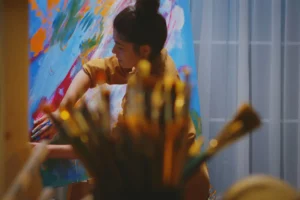
Мова кольорів: емоційне благополуччя за допомогою експресіоністської арт-терапії
Мова кольорів є важливим інструментом для вираження емоційного благополуччя в процесі експресіоністської арт-терапії. Кольори допомагають символічно виразити емоції та думки та сприяють художньому вираженню внутрішніх переживань людини.
Під час експресіоністської арт-терапії мова кольорів відображає емоційні значення кольорів і колірних комбінацій, вибраних людиною. Кольори можуть виражати емоційний стан людини, психічні процеси та внутрішні переживання. Наприклад, червоний колір може символізувати гнів або енергію, а синій — мир або спокій.
Мова кольорів може бути досліджена арт-терапевтом, щоб зрозуміти, які кольори людина воліє використовувати у своїх художніх роботах і що ці кольори означають. Терапевт може допомогти людині пов’язати вибрані кольори з її емоційним станом, що сприяє кращому розумінню внутрішнього світу людини.
У процесі експресіоністської арт-терапії мову кольорів можна використовувати в такі способи:
Емоційне вираження: кольори допомагають людині виразити свій емоційний стан. Людина може відобразити своє емоційне вираження в художніх творах, пов’язуючи свої внутрішні переживання з кольорами.
Емоційне дослідження: кольори можна використовувати в процесі дослідження внутрішнього світу людини. Людина може перевірити свої емоційні реакції та асоціації, спробувавши різні кольори.
Емоційний баланс: кольори мають гармонійний і балансуючий ефект. Експресивна арт-терапія заохочує збалансоване використання кольорів для підтримки емоційного благополуччя людини.
Додавання значення: кольори можуть поглибити значення художніх творів. Людина може створити більш комплексне вираження, працюючи з іншими художніми елементами разом із вибраними кольорами.
Мова кольорів є важливим інструментом у процесі експресіоністської арт-терапії для підтримки емоційного благополуччя та допомоги людині виразити свій внутрішній світ. Під керівництвом і підтримкою терапевта людина може відчути емоційне полегшення, знайти сенс і особистий ріст, виражаючи себе мовою кольорів. У цьому процесі кольори збагачують внутрішній досвід людини та забезпечують терапевтичний досвід, який підтримує емоційне благополуччя.
Зцілення силою мистецтва: основні принципи експресіоністської арт-терапії
Експресіоністська арт-терапія – це терапевтичний підхід, який підтримує процеси емоційного зцілення та особистого розвитку людини за допомогою сили мистецтва. Нижче ви можете знайти деякі з основних принципів експресіоністської арт-терапії:
Використання власної форми вираження: експресивна арт-терапія пропонує людям свободу та вибір у самовираженні. За допомогою мистецтва люди можуть досліджувати власні форми вираження. Можна використовувати різні форми мистецтва, такі як живопис, малюнок, скульптура, музика, танець чи драма.
Фокус на процесі: експресивна арт-терапія зосереджується на мистецькому процесі людини. Терапевт підтримує творчий процес індивіда і дозволяє індивідууму висловити свої переживання та емоції. Це підхід, орієнтований на процес, а не на результат.
Дослідження внутрішніх переживань: експресивна арт-терапія допомагає людині відкрити та виразити свій внутрішній світ. За допомогою мистецтва люди можуть виражати внутрішні переживання, такі як емоційні переживання, думки, мрії та мрії.
Підтримуюча роль терапевта: у експресивній арт-терапії терапевт надає підтримку та керівництво людині. Терапевт стежить за мистецьким вираженням індивіда, розуміє його, не засуджує і не критикує, намагаючись його зрозуміти. Терапевт супроводжує процес внутрішнього відкриття людини та забезпечує терапевтичні стосунки в безпечному середовищі.
Використання символів: символи та образи, що використовуються в мистецтві, дозволяють людині виражати емоційний і семантичний зміст із підсвідомості. Терапевт допомагає зрозуміти та інтерпретувати символи, які з’являються в мистецькій роботі людини.
Реструктуризація та інтеграція: експресивна арт-терапія заохочує людину створювати нові значення та інтегрувати свій досвід, виражаючи свій внутрішній досвід через мистецтво. Він спрямований на те, щоб людина відчула себе більш цілісною та відчула трансформацію під час процесу зцілення.
Групова або індивідуальна терапія: Експресивну арт-терапію можна застосовувати в групових або індивідуальних сеансах. Групова терапія дозволяє людям взаємодіяти, підтримувати та ділитися досвідом один з одним, тоді як індивідуальна терапія пропонує більш приватний та індивідуальний досвід.
Експресіоністська арт-терапія містить основні принципи, які допомагають людині відкрити свій внутрішній світ, сприяють процесу емоційного зцілення та підтримують особистий розвиток. Ця форма терапії використовує силу мистецтва, щоб збільшити свободу вираження особистості та сприяти внутрішньому благополуччю. Під керівництвом і підтримкою терапевта люди можуть відчути емоційне полегшення, знайти сенс і особистий розвиток за допомогою художніх інструментів.
Подолання стресу та тривоги за допомогою експресіоністської арт-терапії: інструмент творчої адаптації
Експресіоністську арт-терапію можна використовувати як ефективний інструмент творчої адаптації для подолання стресу та тривоги. Творча та виразна сила мистецтва допомагає людям досліджувати свої внутрішні переживання та надавати емоційне полегшення. Ось кілька думок про те, як експресивну арт-терапію можна використовувати для боротьби зі стресом і тривогою:
Емоційне вираження та полегшення: експресивна арт-терапія дозволяє людям виражати свої внутрішні почуття, тривогу та стрес за допомогою мистецтва. Мистецтво пропонує безпечний простір для вираження емоцій, які нам важко висловити словами. Процес художнього вираження може призвести до емоційного полегшення та зменшення стресу.
Розумова зосередженість і розслаблення. Створення мистецтва допомагає людям позбутися стресу та забезпечити психічне розслаблення, займаючи їхній розум. Зосереджуючись на творчості, мистецтво заспокоює розум і спонукає насолоджуватися моментом.
Дослідження свого внутрішнього світу: за допомогою мистецтва люди можуть досліджувати свій внутрішній світ і намагатися зрозуміти коріння тривоги та стресу. Процес художнього вираження дозволяє людям отримати доступ до власних внутрішніх ресурсів і допомагає їм розвинути усвідомлення, щоб справлятися з факторами, які викликають тривогу.
Сенсорний досвід і усвідомлення тіла. Створюючи мистецтво, люди зосереджуються на сенсорному досвіді та вчаться слухати своє тіло. Це дозволяє розпізнати, як організм відчуває стрес, і застосувати методи фізичного розслаблення.
Розвиток творчих навичок вирішення проблем: експресивна арт-терапія сприяє розвитку творчого мислення та навичок вирішення проблем. Люди вчаться долати труднощі, з якими вони стикаються в мистецькому процесі, і набувають досвіду створення рішень з різних точок зору.
Підвищення почуття впевненості та самоефективності. Створення мистецтва підвищує впевненість людей у собі та почуття власної ефективності. Мистецькі досягнення зміцнюють впевненість людей у власних навичках і здібностях. Це забезпечує важливу підтримку в подоланні стресу та тривоги.
Експресіоністська арт-терапія – це терапевтичний підхід, який можна використовувати як інструмент творчої адаптації для боротьби зі стресом і тривогою. Творча та експресивна сила мистецтва дає людям підтримку в таких сферах, як емоційне розслаблення, внутрішнє дослідження, концентрація розуму, усвідомлення тіла та розвиток творчих навичок вирішення проблем. Під керівництвом і підтримкою терапевта люди можуть відчути цілющі ефекти мистецтва, щоб подолати стрес і тривогу.
Дослідження мистецтва: розкриття творчості за допомогою експресіоністської арт-терапії
Експресіоністська арт-терапія – це терапевтичний підхід, який допомагає людям відкрити та розкрити свою творчість. Ця форма терапії спрямована на розкриття внутрішнього потенціалу особистості за допомогою творчої сили мистецтва. Нижче наведено деякі моменти про те, як експресивна арт-терапія допомагає розкрити творчий потенціал:
Внутрішнє дослідження: експресивна арт-терапія дозволяє людям досліджувати та виражати свій внутрішній світ. За допомогою мистецтва люди досліджують свої внутрішні переживання, емоції, думки та мрії. Цей процес є важливим кроком у розкритті креативності та розкритті внутрішнього потенціалу.
Усунення кордонів: Мистецтво дає свободу усунути межі та дозволити творчості текти. Експресивна арт-терапія заохочує людей брати участь у творчих процесах без обмежень у самовираженні. Це допомагає відкривати нові ідеї, перспективи та рішення.
Справжнє вираження: за допомогою мистецтва люди можуть відкрити власне унікальне вираження. Кожна людина має унікальний творчий потенціал, і експресіоністська арт-терапія дозволяє розкрити цей потенціал. Люди можуть виражати себе унікально, досліджуючи власний стиль, спосіб вираження та творчий голос.
Ризик і експерименти: креативність — це пошук нових ідей і досвіду. Експресивна арт-терапія заохочує людей йти на ризик і досліджувати свій мистецький досвід. У цьому процесі створюється середовище, де помилки приймаються, а страх невдачі зменшується.
Розвиток навичок вирішення проблем. Мистецтво сприяє розвитку навичок творчого вирішення проблем. Люди вчаться долати труднощі, з якими вони стикаються в художніх процесах, і виробляти рішення з різних точок зору. Це допомагає розвивати творче мислення та навички гнучкості.
Підвищення впевненості в собі: експресивна арт-терапія підвищує впевненість людей у власному творчому потенціалі. Мистецькі досягнення та відкриття зміцнюють у людини впевненість у собі та почуття власної ефективності. Це дає змогу вільніше виявляти творчість.
Експресіоністська арт-терапія є потужним інструментом для дослідження та розкриття творчості. Під керівництвом і підтримкою терапевта люди мають свободу самовираження в творчих процесах. Цей процес призводить до позитивних результатів, таких як внутрішнє дослідження, усунення кордонів, оригінальне самовираження, прийняття ризику, розвиток навичок вирішення проблем і підвищення впевненості в собі. Вивільнення творчості допомагає людям краще зрозуміти себе, підтримує свій особистий розвиток і жити повноцінніше.
Експресіоністська арт-терапія та самопізнання: крок до внутрішньої подорожі з мистецтвом
Експресіоністська арт-терапія – це метод терапії, який дає людям можливість зробити крок у внутрішню подорож мистецтвом у процесі самопізнання. Ця форма терапії допомагає людям глибоко вивчити і осмислити свій внутрішній світ, використовуючи творчу та виразну силу мистецтва. Нижче наведено деякі моменти про те, як експресивна арт-терапія допомагає в процесі самопізнання:
Вираження внутрішніх переживань: експресивна арт-терапія дозволяє людям виражати свої внутрішні переживання. За допомогою мистецтва люди можуть візуалізувати свій внутрішній світ, вливаючи свої почуття, думки, мрії та мрії в художні твори. Цей процес допомагає людям краще зрозуміти та висловити власні внутрішні переживання.
Дослідження творчості: Експресивна арт-терапія дає людям змогу досліджувати свої творчі здібності. За допомогою мистецтва людина може розкрити і виразити свій творчий потенціал. Дослідження креативності допомагає людям глибше пізнати самих себе та більше виразити себе.
Дослідження символічних значень: символи та образи, що використовуються в мистецтві, дозволяють людям відкрити символічні значення свого внутрішнього світу. Експресивна арт-терапія заохочує до аналізу та осмислення символів, які з’являються в мистецькій роботі людини. Цей процес допомагає людям знайти глибший зміст і краще зрозуміти себе, досліджуючи власні внутрішні символи.
Підвищення впевненості в собі: експресивна арт-терапія підвищує впевненість людей у собі. Мистецький досвід і досягнення допомагають людям краще пізнати себе та відчувати впевненість у власному вираженні. Це важливий фактор у процесі самопізнання.
Особистісний ріст і трансформація: експресивна арт-терапія відіграє важливу роль в особистому зростанні та процесі трансформації людей. Через мистецтво люди можуть відчути зростання та зміни, відкриваючи свій внутрішній потенціал. Поєднуючи свої внутрішні подорожі з мистецтвом, люди мають можливість глибше зрозуміти себе, визначити свої особисті цінності та цілі та жити більш гармонійно з власною сутністю.
Експресіоністська арт-терапія дає змогу здійснити внутрішню подорож мистецтвом у процесі самопізнання. Під керівництвом і підтримкою терапевта люди мають можливість висловити свій внутрішній досвід, дослідити свою творчість, дослідити символічні значення, підвищити впевненість у собі та відчути особисте зростання та трансформацію. Цей процес допомагає людині встановити глибокий зв’язок із собою та жити більш змістовним життям.
Спілкування та внутрішній баланс за допомогою експресіоністської арт-терапії: зв’язок через мистецтво
«Спілкування та внутрішній баланс за допомогою експресіоністської арт-терапії: зв’язок через мистецтво»
Експресіоністська арт-терапія – це метод терапії, який використовує силу мистецтва для вираження внутрішніх емоцій і сприяння особистісному зростанню. Ця терапія спрямована на встановлення та зміцнення спілкування за допомогою мистецтва.
Експресіоністська арт-терапія допомагає людям виразити свій внутрішній світ, а також забезпечує емоційне полегшення та баланс. Творчий процес мистецтва дозволяє досліджувати і виражати свій внутрішній світ. У цьому процесі використовуються візуальні та матеріальні елементи, такі як кольори, форми, текстури та символи.
Під час сеансів терапії людина виражає емоційні переживання за допомогою картини, скульптури, колажу чи іншого художнього засобу. Цей процес вираження може бути глибшим і більш внутрішнім, ніж словесне вираження. Терапевт працює з людиною, щоб зрозуміти її мистецьку роботу та надає вказівки, щоб зрозуміти виражені емоції.
Експресіоністська арт-терапія зміцнює спілкування, оскільки мовою мистецтва можна виразити емоції, які важко або складно висловити словами. Мистецтво допомагає прямо виражати емоційні та внутрішні переживання, виходячи за рамки слів.
Цей метод терапії також ефективний для підтримки внутрішньої рівноваги. Внутрішня рівновага - це поєднання емоційного, психічного та фізичного благополуччя. Експресивна арт-терапія підтримує внутрішній баланс, допомагаючи людині досліджувати та осмислювати свій внутрішній світ. Емоційні переживання, виражені в мистецтві, допомагають людині краще зрозуміти себе та підключитися до своїх внутрішніх ресурсів.
На завершення, експресіоністська арт-терапія є ефективним методом терапії, який підтримує спілкування та внутрішній баланс. Вираження душевних переживань через мистецтво дає можливість людині розкрити себе та осмислити свій внутрішній світ. Цей метод дає людям емоційне полегшення, покращує комунікативні навички та досягає внутрішньої рівноваги.
Свобода через експресіоністську арт-терапію: подолання внутрішніх кордонів і самовираження
Експресіоністська арт-терапія – це метод терапії, який дозволяє людям звільнитися та виразити себе, долаючи внутрішні кордони. Використовуючи творчу та виразну силу мистецтва, воно допомагає людям відкрити свій внутрішній світ і подолати емоційні перешкоди.
Цей метод терапії дає можливість виразити свої внутрішні обмеження та пригнічені емоції через мистецтво. Люди виражають свої емоційні переживання за допомогою різних мистецьких дисциплін, таких як живопис, малюнок, ліплення, танець, драма чи музика. Цей процес допомагає людині глибше дослідити свій внутрішній світ і звільнитися від емоційного тягаря.
Експресіоністська арт-терапія заохочує долати внутрішні кордони. Люди звільняються, висловлюючи мовою мистецтва емоційні перешкоди та блокування, які вони тримають у собі. За допомогою мистецтва люди досліджують емоційно та розумово, протистоять своїм страхам і беруть участь у процесі розуміння себе.
Самовираження є однією з головних цілей експресіоністської арт-терапії. За допомогою художніх засобів особистість виражає свій внутрішній світ, емоційні переживання. Мистецтво може бути потужним інструментом для вираження емоцій, навіть якщо слів не вистачає. Люди відкривають себе, вільно виражаючи свої внутрішні почуття, уяву та творчість мовою мистецтва.
Звільнення за допомогою експресіоністської арт-терапії допомагає людині краще зрозуміти себе, позбутися емоційного тягаря та розкрити свій внутрішній потенціал. Цей метод терапії спонукає людей розповідати власні історії, знаходити власні голоси та приймати себе. Процес самовираження підвищує впевненість людей у собі та підтримує емоційне благополуччя.
На закінчення слід сказати, що експресіоністська арт-терапія є ефективним методом терапії, який підтримує процес звільнення та самовираження шляхом подолання внутрішніх кордонів. Вираження емоцій через мистецтво допомагає досліджувати свій внутрішній світ, долати перешкоди та глибше відчувати себе. Цей метод терапії дозволяє людям вільно виражати себе та розкривати свій внутрішній потенціал.
Експресіоністська арт-терапія та самооцінка: самосприйняття та оцінка
Експресіоністська арт-терапія є ефективним методом терапії для зміцнення самооцінки, самосприйняття та самооцінки людини. Використовуючи творчий процес мистецтва, люди досліджують свій внутрішній світ і розвивають більш позитивні стосунки з собою.
Цей метод терапії заохочує людину до свободи самовираження та творчості. За допомогою художніх засобів особи виражають свої внутрішні переживання та емоційні стани. У цьому процесі вони безстрашно висловлюють свої почуття та думки в безпечній зоні самовираження.
Експресіоністська арт-терапія допомагає людям приймати й оцінювати себе. Мова мистецтва допомагає людині глибше дослідити свій внутрішній світ і осмислити себе. Завдяки мистецтву люди отримують нову інформацію про себе, відкривають свої внутрішні ресурси та краще розуміють себе.
Самооцінка зміцнюється за допомогою експресіоністської арт-терапії. Люди зміцнюють свою відданість своїм внутрішнім цінностям через свободу та самовираження, які вони відчувають у творчому процесі. Вираження емоцій через мистецтво допомагає людям виявляти більше співпереживання та самосприйняття. Це сприяє підвищенню самооцінки.
Експресіоністська арт-терапія спонукає людей оцінювати себе більш позитивно. Художня діяльність і творчий процес дозволяють особистості розкрити свої сильні сторони та розкрити потенціал. Людина усвідомлює власні таланти та відчуває успіх, оцінюючи свої мистецькі роботи.
На завершення, експресіоністська арт-терапія є ефективним методом терапії для зміцнення самооцінки, самосприйняття та самооцінки. Люди відкривають власні цінності, виражаючи свій внутрішній світ через мистецтво. Цей метод терапії дозволяє людям побачити себе більш позитивно, усвідомити свої внутрішні сили та підвищити самооцінку.
Майбутнє експресіоністської арт-терапії: інновації та сфери застосування
Експресіоністська арт-терапія – це сфера терапії, яка постійно розвивається та розширюється. Багато інновацій і нових сфер застосування очікується в галузі експресіоністської арт-терапії в майбутньому. Ось деякі очікувані зміни в цій галузі:
Інтеграція технологій: із розвитком технологій арт-терапія стане більш інтегрованою в цифрові платформи та інструменти. Такі технології, як віртуальна реальність і доповнена реальність, додадуть нові виміри експресіоністській арт-терапії та збагатять процес терапії.
Групові практики: групові сеанси експресивної арт-терапії заохочують взаємодію між учасниками та розвивають почуття спільності. У майбутньому такі групові практики набудуть більшого поширення, а індивідуальні терапевтичні програми будуть розроблені для потреб різних груп.
Різноманітні сфери застосування: експресіоністська арт-терапія набуде широкого поширення не лише у сфері психотерапії, але й у різних сферах застосування, таких як освіта, охорона здоров’я, реабілітація та соціальні послуги. Наприклад, терапії експресивним мистецтвом буде надано більше місця в школах, лікарнях, в’язницях і громадських центрах.
Міжкультурна та міжнародна адаптація: експресивна арт-терапія буде адаптована для використання в міжкультурних та міжнародних умовах. Терапевтичні програми будуть урізноманітнені завдяки застосуванню підходу, чутливого до різних культурних цінностей і форм самовираження.
Дослідження та практика, що ґрунтується на доказах. Оскільки дослідження в галузі експресивної арт-терапії зростають, практика, що ґрунтується на доказах, і визначення ефективних методів терапії ставатимуть все важливішими. Це зміцнить наукові основи експресивної арт-терапії та покращить професійну практику терапевтів.
Експресіоністська арт-терапія – це потужна форма терапії, яка підтримує емоційне здоров’я та благополуччя людей. Майбутні інновації та сфери застосування допоможуть цій галузі терапії розширитися й охопити більше людей. Експресивна арт-терапія й надалі сприятиме самовираженню людей, пошуку внутрішньої рівноваги та покращенню якості життя.
Експресіоністська арт-терапія – це метод терапії, який допомагає людям виражати свої почуття, думки та переживання за допомогою мистецтва. Якщо вас цікавить цей вид терапії, ви можете звернутися до EHEALTH. EHEALTH співпрацює з професіоналами, що спеціалізуються на арт-терапії, і пропонує терапевтичні програми, адаптовані до ваших індивідуальних потреб. Експресивна арт-терапія може бути особливо корисною для людей, які відчувають емоційні або психологічні труднощі. Цей метод терапії допомагає учасникам краще зрозуміти себе, подолати емоційні перешкоди та досягти внутрішнього миру. Звернувшись до EHEALTH, ви зможете знайти найбільш підходящий для вас метод терапії та програму

