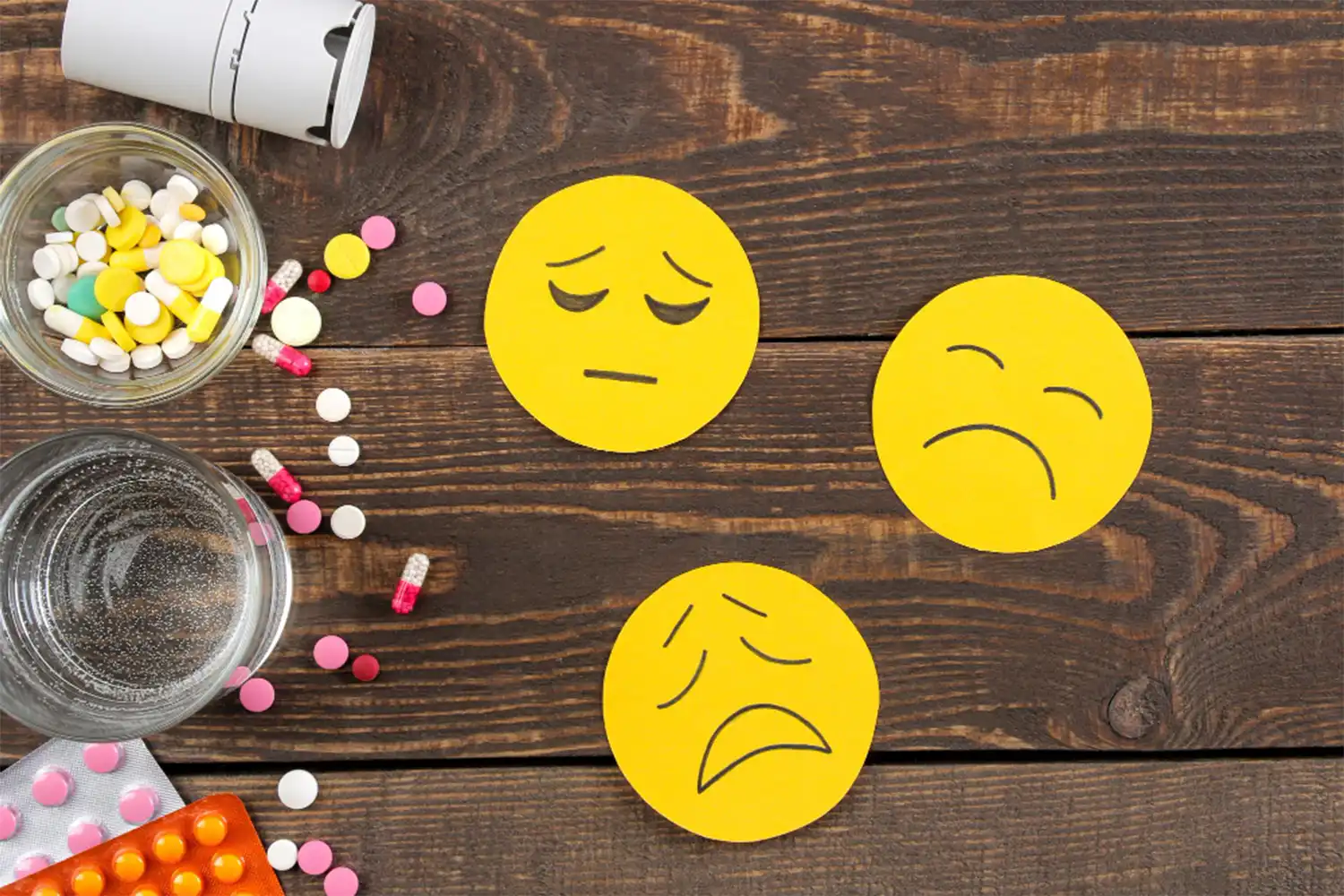
Post-Traumatic Stress Disorder (PTSD) is a serious psychological disorder that occurs after a person experiences a traumatic event. This disorder causes the person to experience the effects of the traumatic event for a long time. PTSD occurs as a natural consequence of traumatic events and can interfere with a person's normal daily activities and functionality.
Symptoms of PTSD usually begin within a few months after the traumatic event, but sometimes symptoms can appear months or years later. Symptoms can generally be divided into three categories:
Re-experiencing: The person feels as if he/she has experienced the traumatic event again. This can take the form of nightmares, memories, flashbacks or intense emotional reactions. The person may avoid places where the trauma occurred or stimuli that remind them of the event.
Avoidance and Relative Desensitization: The person tries to prevent situations, activities, places or people that remind them of the traumatic event by avoiding or staying away from them. The person may become desensitized to suppress or reduce emotional reactions.
Increased Arousal: The person lives with a constant feeling of danger. It may show symptoms such as sleep problems, difficulty concentrating, irritability, restlessness, hypervigilance, and experiencing fear or anger easily.
The diagnosis of PTSD is made by a specialist to ensure that the symptoms are experienced continuously and effectively. A psychologist or psychiatrist makes a diagnosis by evaluating trauma history, symptoms, and daily functioning. This evaluation is based on standard diagnostic criteria and compliance with the criteria established by DSM-5 (Psychiatric Diagnostic Manual) is taken into account.
PTSD is usually treated with a combination of therapy and sometimes medication. Therapy methods such as EMDR therapy, cognitive-behavioral therapy (CBT), and psychodynamic therapy can be effective in treating PTSD. Treatment aims to process the traumatic event, reduce trauma-related symptoms, and enable the person to function in a healthy way.
Post-Traumatic Stress Disorder is a serious psychological disorder that occurs after a traumatic event. Symptoms manifest themselves as re-experiencing of the traumatic event, avoidance and relative desensitization, and increased arousal. The diagnosis is made through an evaluation by a specialist and the aim is to reduce the symptoms and improve the person by applying appropriate treatment methods.

Causes of Post-Traumatic Stress Disorder: Trauma and Risk Factors
Post-Traumatic Stress Disorder (PTSD) is a psychological disorder that occurs after a person experiences a traumatic event. In addition to the traumatic event, some risk factors may also be effective in the development of PTSD. Below is more information about the causes and risk factors of PTSD:
Traumatic Events: The main cause of PTSD is the person experiencing a traumatic event. These events may include physical attacks, sexual abuse, natural disasters, war, an accident, or witnessing a serious accident. Such events can cause a person to become psychologically traumatized and develop PTSD.
Personal Past Traumas: Previous traumatic experiences may increase a person's risk of PTSD. For example, abuse or neglect experienced during childhood can cause more intense reactions to traumatic events in adulthood.
Severity and Duration of Trauma: The severity and duration of trauma may affect the risk of PTSD. Severe and prolonged traumatic events can increase the likelihood of developing PTSD.
Proximity of Trauma: How close the traumatic event is to the person is also among the risk factors for PTSD. Traumatic events directly related to one's own life or the lives of loved ones can increase the risk of developing PTSD.
Personal Characteristics: Personal characteristics may influence the risk of PTSD. For example, factors such as negative experiences in childhood, lack of psychological resilience, low self-esteem and poor social support may increase the risk of PTSD.
Gender: Women may be at higher risk of developing PTSD, especially if they have been sexually assaulted or sexually abused.
Psychological Factors: Psychological problems such as depression, anxiety, difficulties coping with stress, low self-esteem and excessive anxiety may be associated with the development of PTSD.
The development of PTSD is a complex process and involves the interaction of multiple factors. Each individual tends to react differently, and the development of PTSD can vary even among people exposed to the same traumatic event.
Remember that PTSD is not a normal response of a person to a traumatic event. Seeking professional help and using appropriate treatment methods is important to alleviate the effects of PTSD and support the healing process.
Ways to Cope with Post-Traumatic Stress Disorder: Supporting Your Own Healing Process
Coping can be challenging for individuals experiencing Post-Traumatic Stress Disorder (PTSD). However, you can try the following ways to cope with PTSD and support your own healing process:
Get Professional Help: It is important to seek professional help from a specialist to cope with the effects of PTSD. Professionals, such as a psychologist or psychiatrist, can guide you through PTSD treatment and help you manage your treatment process.
Connect with Supportive People: Connecting with supportive people, such as family, friends, or support groups, can support you in coping with PTSD. Sharing, telling, and expressing your feelings help you find emotional support and understanding.
Give Yourself Time: Coping with PTSD can take time. Be patient with yourself and remember that the healing process is not a marathon or a sprint. Take small steps and accept that you will heal slowly by giving yourself time.
Exercise Regularly: Exercising regularly can help you cope with PTSD. Exercise reduces stress, releases endorphins and improves your mood. You can try physical activities such as walking, running, yoga or dancing.
Daily Stress Management Practices: Using daily stress management techniques can be helpful in coping with PTSD. Taking deep breaths, meditating, practicing relaxation techniques, or engaging in activities that relax you can help you calm down and reduce stress.
Take Care of Yourself: Taking care of yourself is important in coping with PTSD. Create good self-care habits such as healthy eating, regular sleep, and taking time to rest and relax. Nourishing your body and mind supports your healing process.
Create Positive Thoughts for Yourself: Dealing with negative thoughts can be difficult when you are struggling with PTSD. Recognize negative thoughts and make an effort to turn them into positive thoughts. Give yourself supportive and positive messages.
The process of coping with PTSD may differ from person to person. So support your own healing process by trying methods that feel good and are right for you. Remember, getting professional help and connecting with supportive people are important steps to coping with PTSD. Be patient, value yourself and move forward step by step.
Post-Traumatic Stress Disorder and Treatment Options: Psychotherapy and Pharmacological Approaches
Post-Traumatic Stress Disorder (PTSD) is a treatable condition and there are many effective treatment options. Commonly used methods in the treatment of PTSD are psychotherapy and pharmacological approaches. Below, I would like to explain these treatment options in more detail:
Psychotherapy:
Cognitive Behavioral Therapy (CBT): CBT is a widely used therapy method in the treatment of PTSD. It helps a person identify, question and change negative thoughts and post-traumatic symptoms. Additionally, techniques are applied to reduce the fear and anxiety associated with the traumatic event.
EMDR (Eye Movement Desensitization and Reprocessing): EMDR therapy is considered an effective method in the treatment of PTSD. By using bilateral stimuli such as eye movements, touch or sound, the emotional burden of the traumatic event is reduced and the effects of the event are reprocessed.
Psychodynamic Therapy: Psychodynamic therapy is used to understand and process the impact of past experiences and unconscious processes on PTSD symptoms. During the therapy process, the person's unconscious contents and past relationships are focused on.
Pharmacological Approaches:
Antidepressants: Antidepressant medications, such as selective serotonin reuptake inhibitors (SSRIs) or serotonin-noradrenaline reuptake inhibitors (SNRIs), may be used to treat PTSD symptoms. These medications can relieve symptoms such as anxiety, depression, and sleep problems.
Anxiolytics: Some anxiolytic medications can be used to control the intense anxiety associated with PTSD. These can reduce anxiety symptoms and help the person relax.
Sleeping Medications: In people with sleep problems, some sleeping medications can be used to help regulate sleep patterns. However, it is important to use these drugs carefully and under expert supervision.
Treatment options are often used together and tailored to the person's needs and symptoms. As a result of the evaluation made by a specialist during the treatment process, the most appropriate treatment approach is determined. Early intervention in the treatment of PTSD is important to achieve better results.
Remember that each individual's treatment process may be different. It is important to comply with treatment, seek professional help, and create a supportive environment.
Post-Traumatic Healing: The Role of Supportive Family and Friends
Supportive family and friends play a large role in a person's healing process after a traumatic experience. This support supports the recovery process of the person suffering from post-traumatic stress disorder (PTSD) and makes them feel that you are with them. Below is more information about the role of supportive family and friends:
Empathy and Understanding: It is important to show empathy and understanding to support a person experiencing trauma. Empathy means trying to understand their emotional experiences and listening to them without judgment. An understanding attitude helps a person accept himself and find emotional support.
Trust and Non-Denial: Providing support to a person experiencing PTSD requires establishing an environment of trust. Confidence and belief help a person express himself and share his experiences. It is important to take an approach that accepts and supports the reality of the trauma, rather than a skeptical or denying attitude.
Providing the Opportunity to Listen and Express: It is important to give the person experiencing PTSD time and space and the opportunity to express their experiences. Listening to them helps them express their feelings and contributes to relieving their emotional burden. Expressing your feelings is an important step in coping with trauma.
Providing Practical Support: Supportive family and friends are also important to provide practical help. Providing practical support such as helping with daily tasks, accompanying appointments, and meeting their needs helps the person relax and focus their energy on recovery during the post-traumatic recovery process.
Access to Treatment and Support: Supportive family and friends can help access resources needed for PTSD treatment. It is important to provide information about treatment options, make referrals to appropriate specialists, and support the person throughout the treatment process. Being with them during the treatment process supports the person's motivation and recovery process.
Boundaries and Self-Care: Supportive family and friends are also important in setting their own boundaries and paying attention to self-care. Healing from trauma can take time and energy. Therefore, it is important for supportive people to maintain their boundaries and take care of their self-care.
Supportive family and friends play an important role in the recovery process of a person experiencing PTSD. Empathy, trust, listening, practical support and being with them throughout the treatment process supports the person's emotional and physical recovery. Being in a supportive environment makes it easier to cope and recover from PTSD.
Post-Traumatic Stress Disorder and Daily Life Interactions
Daily life interactions of people with Post-Traumatic Stress Disorder (PTSD) can be challenging in terms of work, relationships and social life. The symptoms of PTSD can affect a person's functioning and create difficulties in activities of daily living. Below, I would like to explain in more detail the effects of PTSD on daily life interactions:
Work Life: PTSD symptoms can affect job performance. Difficulty concentrating, memory problems, sleep disorders and emotional fluctuations can make it difficult to focus and be productive at work. People experiencing PTSD may experience consequences such as absenteeism at work, problems with relationships at work, and job loss. A supportive work environment, flexibility and understanding can enable a person with PTSD to cope better in work life.
Relationships: PTSD can create difficulties in a person's close relationships. The person may avoid talking about the traumatic event or have difficulty connecting emotionally with others because of the emotional difficulties they experience. Problems in relationships may be associated with symptoms such as lack of understanding, lack of communication, or hypervigilance. Communicating with people who provide a supportive and understanding environment can help a person with PTSD cope better in relationships.
Social Life: PTSD symptoms can affect social interactions. Situations such as avoiding crowded environments, difficulties in participating in social events, and difficulty in friendship relations may occur. The person may tend to isolate himself or limit daily activities. Supportive social environments, understanding friends, and gentle involvement in social activities can support the social life of a person experiencing PTSD.
For people living with PTSD, some difficulties may arise in daily life interactions. However, these difficulties can be overcome with appropriate support, treatment and an understanding environment. Seeking professional help, using therapy methods, and connecting with supportive people can help alleviate the effects of PTSD on daily life. Remember that PTSD is a natural consequence of a traumatic event that a person experiences, and recovery can occur over time with treatment and support.
Effects of Post-Traumatic Stress Disorder
Post-Traumatic Stress Disorder (PTSD) is a serious psychological disorder that occurs after a person experiences a traumatic event. The effects of PTSD often lead to long-lasting symptoms that affect a person's daily life. Below, I would like to explain the common effects of PTSD in more detail:
Sleep Problems: Sleep problems are quite common among people experiencing PTSD. Sleep problems such as nightmares, recurring dreams, insomnia, inability to fall asleep, or waking up frequently during sleep may occur. This condition negatively affects the overall quality of life by preventing the person from getting adequate and restful sleep.
Difficulty in Concentration: Difficulty in concentration is among the symptoms of PTSD. The person may have difficulty focusing attention, processing new information, and focusing on tasks. This may affect work performance, school success, or daily functioning.
Irritability and Outbursts of Anger: Another common effect of PTSD is increased irritability and outbursts of anger. The person tends to overreact to a minor stimulus, experiencing irritability, restlessness, or tantrums. This can lead to problems in relationships and difficulties in social interactions.
Avoidance and Social Isolation: People experiencing PTSD may tend to avoid trauma-related stimuli. They may avoid going to or interacting with places or people that remind them of the traumatic event. This avoidance and social isolation can lead to limitations in social life, difficulties in friendships, and a feeling of lack of social support.
Emotional Dysregulation: PTSD can cause emotional dysregulation. The person may experience sudden and intense emotional reactions, emotional fluctuations, or emotional numbness. This may cause the person to have difficulty maintaining emotional balance and cause problems in relationships.
The effects of PTSD may differ from person to person and change over time. These symptoms can affect a person's daily life, making it difficult to function and reduce quality of life. Treatment for PTSD aims to reduce symptoms and return the person's life to normal. Seeking professional help, using appropriate treatment methods, and being in a supportive environment are important for coping with the effects of PTSD.
Paths of Healing in Post-Traumatic Stress Disorder
For people experiencing Post-Traumatic Stress Disorder (PTSD), self-help techniques can be helpful in supporting the healing process. Here are some techniques you can try for recovery from PTSD:
Deep Breathing: Deep breathing can help calm down and reduce stress. As you inhale, inhale deeply and slowly, then exhale slowly. This simple technique can provide a feeling of calm and relaxation.
Relaxation and Meditation: Meditation and relaxation techniques can calm your mind and relieve PTSD symptoms. Meditating or doing relaxation exercises regularly can reduce stress, improve sleep quality and improve mental focus.
Achieving Emotional Balance: Maintaining emotional balance is important in coping with PTSD. Know your own emotional boundaries and find healthy ways to express your feelings. You can use methods such as expressing your emotional burdens by writing, talking to someone you trust, or participating in artistic activities.
Taking Care of Yourself: Taking care of yourself supports recovery from PTSD. Create self-care habits such as eating healthy, sleeping regularly, exercising and avoiding stress. Nourishing your body and mind supports your healing process.
Managing Daily Life: Managing your daily routines and life can help relieve PTSD symptoms. Living on a schedule, organizing work, managing time, and tracking your daily activities can provide a sense of control and improve your daily functionality.
Using Supportive Resources: You can benefit from a variety of supportive resources to help yourself. You can read books, articles, or online resources about PTSD, join support groups, or get information from reliable sources. These resources can provide you with information and a supportive environment.
Remember that the process of coping with PTSD may be different for each individual. You can help yourself by trying these techniques, but it's also important to seek professional help. By consulting a specialist, you can learn more specific and effective help methods and support your recovery process.
Post-Traumatic Stress Disorder and Self-Expression
For people experiencing Post-Traumatic Stress Disorder (PTSD), self-expression is an important step in the healing process. Activities such as art, writing, and sports have a healing power in easing the effects of PTSD and supporting emotional healing. Here's more information about it:
Art: Artistic activities offer emotional expression and relief to people experiencing PTSD. Artistic activities such as painting, drawing, sculpting, making music, or dancing can be effective in expressing inner emotions and coping with trauma. Art can reduce stress and make a person feel better by providing emotional expression.
Writing: Writing activities, such as journaling, writing letters, or writing poetry, can provide an emotional outlet for people experiencing PTSD. Expressing thoughts through writing can reduce emotional burdens and help process trauma-related experiences. Additionally, writing can help you explore your inner world and support the emotional healing process.
Sports and Physical Activities: Playing sports and participating in physical activities can help relieve PTSD symptoms. Exercise can improve emotional state and reduce stress by releasing endorphins. Physical activities such as walking, running, yoga, tai chi or dancing support the emotional healing process by providing a balance between body and mind.
Joining Support Groups: Joining PTSD support groups can be helpful for self-expression and sharing similar experiences. These groups provide a safe environment for people experiencing PTSD and offer a supportive community. Sharing experiences, listening to others' stories, and finding support supports the emotional healing process.
Trying activities such as art, writing and sports to express yourself can help you cope with PTSD. However, each individual has their own unique recovery process, and it is also important to seek professional help. A therapist or specialist can guide you in determining which methods are right for you and support your healing process.
The Role of Support Groups in Post-Traumatic Stress Disorder
Support groups play an important role for people experiencing Post-Traumatic Stress Disorder (PTSD). These groups bring together individuals who share similar experiences with PTSD and provide environments for support and sharing. Here are the benefits of support groups for individuals with PTSD:
Safe and Understanding Environment: Support groups provide a safe and understanding environment. People experiencing PTSD can share their emotional experiences by meeting with others who have had similar experiences. This environment makes it easier for people to express themselves, explain their feelings, and talk about trauma.
Sharing Experiences: Support groups enable individuals to share similar experiences. People can find common ground by telling their own stories and listening to other people's stories. This helps people feel more understood and know that they are not alone.
Sharing Information and Resources: Support groups provide a platform to share information and resources about PTSD. Group members can exchange information about treatment options, expert advice, and resources. This allows people to gain greater understanding and knowledge and supports their healing process.
Emotional Support: Support groups provide emotional support. Group members help each other with morale, encouragement and support. During difficult days or setbacks, group members support each other by motivating and keeping each other strong.
Healing and Hope: Support groups can provide inspiration for healing from PTSD and finding hope. Seeing other group members' recovery stories provides hope and motivation. By encouraging each other and encouraging each other to move forward, group members help people develop a more positive perspective on their recovery.
Support groups provide environments for sharing, support, and co-healing for people experiencing PTSD. These groups allow people to express themselves, get emotional support, and understand each other because of similar experiences. Attending support groups is an important step in coping with PTSD and in the recovery process.
EHEALTH for Post-Traumatic Stress Disorder: Apply Now
Post-Traumatic Stress Disorder (PTSD) is a serious condition that can profoundly affect your life, and seeking professional help is of great importance in this process. EHEALTH is a platform equipped with experienced therapists that offers you special solutions in the fight against PTSD. By combining modern technology and expert therapy approaches, we provide a flexible treatment plan that suits you and your needs. Through EHEALTH, you can get professional support from the comfort of your home or anywhere you want. Here you'll find the tools and support you need to cope with post-traumatic stress. Contact EHEALTH now and take the first step to overcome post-traumatic stress disorder. Start your journey to a healthy and balanced life today.

