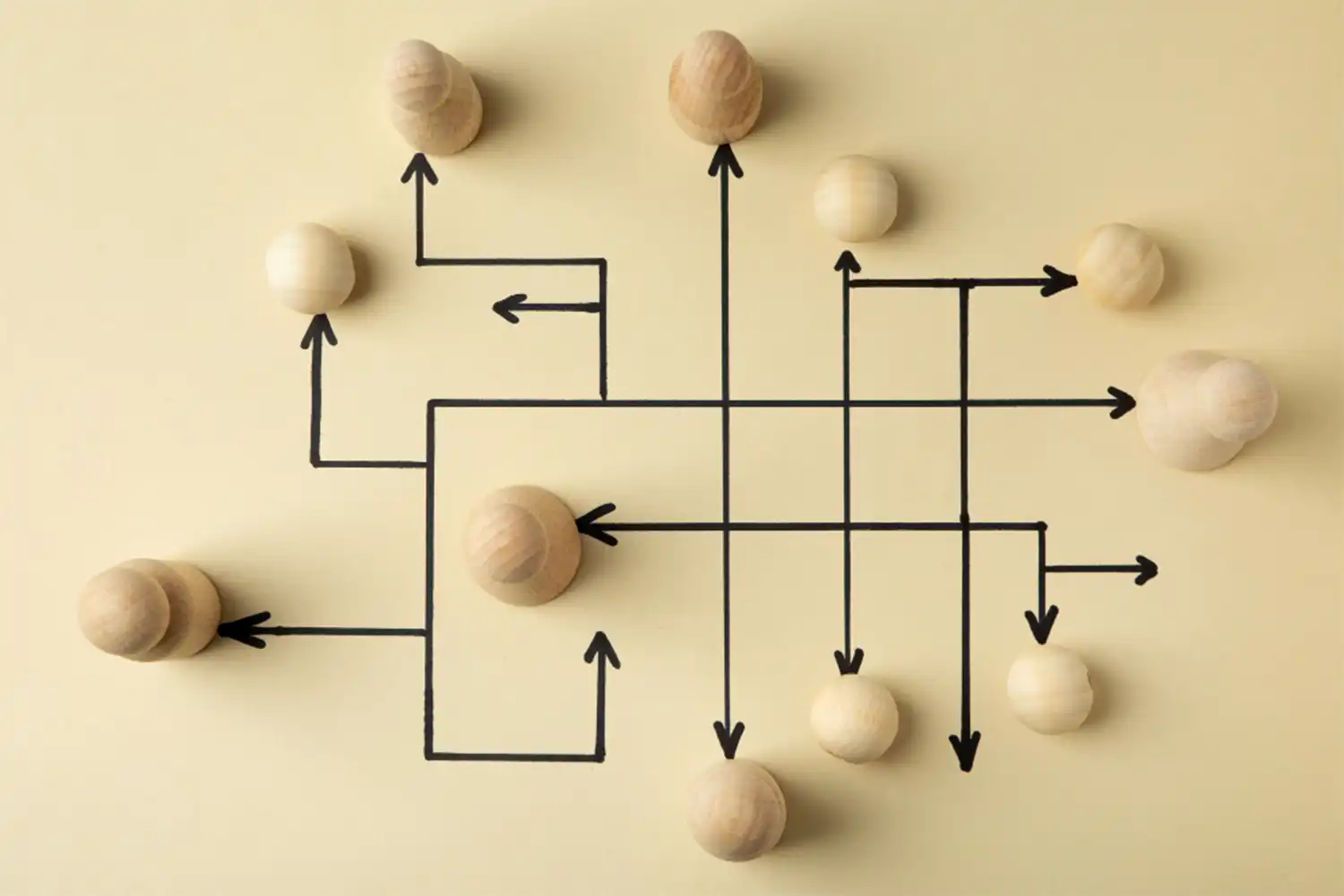
Schema Therapy is a psychotherapy approach that is effective in conditions such as personality disorders and chronic psychological problems. Schema Therapy aims to discover the negative thought, feeling and behavior patterns that occur in a person's early childhood and affect his personality structure in the following years. Here are the basic principles and application areas of Schema Therapy:
Schemas and Thought Patterns: Schema Therapy aims to understand a person's negative schemas and thought patterns that form from an early age. Schemas are patterns that form as a result of negative experiences and lead to negative beliefs about oneself, others, and the world. During the therapy process, these schemas are discovered and how they affect them is understood.
Basic Needs: Schema Therapy aims to understand and meet the basic needs of the person. Every individual has basic needs, such as love, acceptance, being valued, independence. During the therapy process, it is investigated how the person's basic needs can be met and how negative schemas prevent these needs.
Childhood Relationships: Schema Therapy examines how a person's childhood relationships affect their personality structure. The therapist explores the person's family relationships, interactions with caregivers, and negative experiences. These relationships can feed a person's negative schemas and are understood during the therapy process.
Schema Changing: Schema Therapy aims to change the person's negative schemas. The therapist helps the person recognize their negative schemas, question them, and replace them with healthier thought patterns. The process of creating new, positive thought patterns and strengthening these patterns is important.
Emotional Regulation: Schema Therapy also supports the person's emotional regulation. The therapist explores the person's emotional experiences, increases emotional awareness, and helps develop emotional regulation skills. This process allows the person to cope with emotional difficulties and achieve a healthier emotional balance.
Schema Therapy is often used to treat conditions such as personality disorders, chronic depression, anxiety disorders, eating disorders, relationship problems and post-traumatic stress disorder. However, Schema Therapy can be useful in exploring and changing the negative thought, feeling and behavior patterns experienced by any person.
Schema Therapy is a therapy approach that aims to advance the individual towards a healthier self-perception, positive relationships, emotional regulation and satisfaction in life. By working with an expert Schema Therapist, an individual can identify their negative schemas, learn strategies to cope with them, and develop a healthier lifestyle.

Journey of Self-Knowledge and Transformation with Schema Therapy
Schema Therapy is a therapy approach that supports individuals to understand themselves more deeply and transform negative thought, feeling and behavior patterns. With this therapy, people get to know themselves better by discovering the negative schemas in their inner world and begin the journey of a healthier life. Here are some stages of the journey of self-knowledge and transformation with Schema Therapy:
Awareness of Schemas: During the Schema Therapy process, individuals begin to realize the negative schemas embedded within them. These schemas are patterns that have formed as a result of negative experiences and relationships in the past. With the guidance of the therapist, individuals become aware of these schemas and begin to understand how they affect their lives.
Exploring the Origins of Schemas: Schema Therapy helps individuals discover the origins of their negative schemas. The therapist explores the individual's past experiences, especially childhood relationships and traumatic events. In this process, individuals remember the negative experiences and relationships they had in the past and begin to understand how these experiences feed negative schemas.
Questioning and Changing Schemas: Schema Therapy aims to make individuals question and change their negative schemas. The therapist guides individuals to question their schemas, develop alternative perspectives, and adopt healthy thought patterns. In this process, individuals evaluate themselves critically and try to transform negative thought patterns.
Creating New Behavior and Belief Patterns: Schema Therapy supports individuals in developing new and healthy behavior and belief patterns. The therapist guides individuals in discovering healthy alternatives to negative schemas. Individuals adopt a more positive lifestyle by implementing new behavioral and belief patterns.
Self-Compassion and Acceptance: During the Schema Therapy process, individuals learn to show compassion and acceptance to themselves. The therapist supports individuals in coping with their own difficulties without criticizing themselves. As individuals understand themselves better, they develop a more positive self-perception and become more compassionate and accepting of themselves.
The journey of self-knowledge and transformation with Schema Therapy helps individuals discover their inner world and change negative schemas. With the help of an expert Schema Therapist, individuals become aware of their negative schemas, discover their roots, and create new, healthy thought and behavior patterns. This journey is important for the individual to understand himself better, live a healthier life, and have a more satisfying experience in his relationships.
Healing Emotional Wounds with Schema Therapy
Schema Therapy is an effective therapeutic approach to heal emotional wounds. With this therapy, individuals can identify emotional wounds resulting from past traumatic experiences and negative relationships and work to alleviate the effects of these wounds. Here are some steps to healing emotional wounds with Schema Therapy:
Awareness of Emotional Wounds: During the Schema Therapy process, individuals begin to realize their emotional wounds. With the therapist's guidance, individuals begin to understand how past traumatic experiences and negative relationships cause emotional wounds. This awareness is the first step in the healing process.
Discovering the Origins of Emotional Wounds: Schema Therapy helps individuals discover the roots of their emotional wounds. The therapist tries to understand how emotional wounds occur by investigating the individual's past experiences and relationships. During this process, individuals may remember past traumas, losses, neglect, or abuse and understand how these experiences affected their emotional wounds.
Changing Negative Emotional Schemas: Schema Therapy aims to change the negative emotional schemas of individuals. The therapist guides individuals to question their emotional schemas, develop alternative perspectives, and create positive emotional experiences. Individuals try to develop healthier emotional schemas to reduce the effects of past traumatic experiences.
Improving Emotional Regulation Skills: Schema Therapy helps individuals improve their emotional regulation skills. The therapist provides guidance on learning skills such as emotional awareness, emotional expression, stress management, and self-calming techniques. These skills help heal emotional wounds and achieve emotional balance.
Self-Compassion and Acceptance: During the Schema Therapy process, individuals learn to show compassion and acceptance to themselves. The therapist supports individuals in dealing with emotional wounds without being self-critical. As individuals learn to be compassionate and accepting of themselves, they take an important step in the healing process of emotional wounds.
Healing emotional wounds with Schema Therapy enables individuals to understand and transform their emotional wounds resulting from past traumatic experiences and negative relationships. Under the guidance of an expert Schema Therapist, individuals question their negative emotional schemas, create new healthy schemas, and improve their emotional regulation skills. In this process, individuals become more compassionate and accepting of themselves, heal emotional wounds, and reach a healthier emotional balance.
Schema Therapy and Relationship Patterns: Creating Healthy Connections
Schema Therapy is an effective therapy approach that aims to understand relationship patterns and establish healthy connections. Relationship patterns are behaviors, thoughts and emotional reactions that repeat and lead to negative consequences in individuals' relationships with others. The following steps are followed to discover and transform relationship patterns with Schema Therapy:
Awareness of Relationship Schemas: During the Schema Therapy process, individuals begin to realize their own relationship schemas. The therapist helps discover recurring patterns and negative outcomes in the individual's previous relationships. Individuals begin to better understand how they feel and behave in their interactions with others.
Discovering the Origins of Relationship Schemas: Schema Therapy helps individuals discover the origins of their relationship schemas. The therapist tries to understand how relationship patterns are formed by researching the individual's childhood and family relationships. In this process, individuals remember past negative experiences and understand how these experiences shape their relationship schemas.
Changing Negative Relationship Schemas: Schema Therapy aims to make individuals question and change their negative relationship schemas. The therapist guides individuals in exploring healthy relationship schemas, establishing healthy boundaries, and engaging in healthy interactions with others. By questioning negative relationship patterns, individuals take steps to establish healthier and more satisfying relationships.
Developing Empathy and Relational Skills: Schema Therapy supports individuals to develop their empathy and relational skills. The therapist teaches individuals skills to understand others' emotions, communicate healthily, manage conflicts, and set healthy boundaries. By applying these skills, individuals develop healthier and more satisfying relationships.
Self-Compassion and Acceptance: During the Schema Therapy process, individuals learn to be compassionate and accepting towards themselves. The therapist supports individuals in recognizing their own needs and limits without criticizing themselves. As individuals become more compassionate and accepting of themselves, they establish healthier connections in their relationships with others.
Schema Therapy is an effective therapy method for understanding and transforming relationship patterns. By working with an expert Schema Therapist, individuals recognize negative relationship schemas, discover their roots, and create healthy relationship patterns. In this process, individuals understand themselves better, establish healthier and more satisfying connections with others, and maintain a healthier relationship life.
Schema Therapy in Children: Discovering and Developing Internal Resources
Schema Therapy for Children is an effective therapy approach that aims to discover and develop internal resources. With this therapy, children can identify negative thought, emotion and behavior patterns and begin the process of developing a healthier self. Here are the steps of Schema Therapy in discovering and developing internal resources in children:
Awareness of the Child's Schemas and Internal Resources: During the Schema Therapy process, children begin to realize the negative schemas and positive internal resources within them. The therapist uses play and other therapy techniques to understand the child's emotional experiences and inner world. Thus, the child can express his negative thoughts and emotional reactions, while also discovering his inner resources.
Strengthening Internal Resources: Schema Therapy aims to strengthen the child's internal resources. The therapist helps the child recognize his or her abilities, interests, strengths, and achievements. In the process of discovering his inner resources, the child increases his self-confidence and self-worth, develops a healthier self-perception and strengthens his self-confidence.
Developing Emotional Regulation Skills: Schema Therapy helps the child develop emotional regulation skills. The therapist teaches the child skills to recognize, express, and manage his or her emotions. The child learns to cope with stress by using emotional regulation skills, maintains emotional balance and reduces negative emotional reactions.
Changing Negative Schemas: Schema Therapy aims to make the child question and change his negative schemas. The therapist teaches the child to develop healthy thought patterns and helps them implement strategies to cope with their negative thoughts. Thus, the child transforms his negative schemas and creates healthier thought and behavior patterns.
Application and Reinforcement of Internal Resources: During the Schema Therapy process, the child begins to apply his internal resources in daily life and reinforces these resources with the support of the therapist. The therapist encourages the child to use his or her internal resources and supports the child's achievements, strengths, and interests. In this way, the child further develops his internal resources and adopts a healthy lifestyle.
Schema Therapy for Children is a therapy method that supports the process of discovering and developing internal resources. By working with an expert Schema Therapist, the child questions his negative schemas, discovers and strengthens his internal resources. In this process, the child develops a healthier self, develops emotional regulation skills, and develops in a healthy way by using his internal resources in his daily life.
Coping with Anxiety and Panic Attacks with Schema Therapy
Schema Therapy is an effective therapy approach that supports coping with problems such as anxiety and panic attacks. With this therapy, individuals can identify negative thought patterns that cause anxiety and develop healthy coping strategies. Here are some steps to deal with anxiety and panic attacks with Schema Therapy:
Schemas of Anxiety and Panic Attack: During the Schema Therapy process, individuals begin to realize their negative schemas that cause anxiety and panic attacks. The therapist investigates thought and belief patterns that increase the individual's anxiety level. Individuals begin to better understand their anxiety-causing thoughts and their effects.
Questioning Negative Schemas: Schema Therapy aims to make individuals question their negative schemas. The therapist provides guidance to question the individual's anxiety-related thoughts. Individuals evaluate the reality of their anxiety-causing thoughts and try to develop healthier thought patterns.
Development of Coping Strategies: Schema Therapy supports individuals in developing healthy coping strategies. The therapist teaches the individual skills to control anxiety and panic attacks. These skills include techniques such as breathing exercises, relaxation techniques, mental awareness and positive guidance.
Discovery of Internal Sources of Power: Schema Therapy helps individuals discover their internal sources of power. The therapist investigates the individual's internal resources, strengths, and previous success situations. As individuals discover their inner resources, they gain more self-confidence and increase their ability to cope with anxiety.
Self-Compassion and Acceptance: During the Schema Therapy process, individuals learn to be compassionate and accepting of themselves. The therapist shows individuals how to support themselves during anxiety and panic attacks. Individuals show compassion and acceptance to themselves in the process of coping with anxiety and panic, without criticizing themselves.
Coping with anxiety and panic attacks with Schema Therapy enables individuals to question their negative schemas, develop healthy coping strategies, and discover their internal power sources. By working with an expert Schema Therapist, individuals transform the thought patterns that cause anxiety and panic attacks, develop healthy coping skills, and live a calmer, more balanced and peaceful life.
Schema Therapy and Self-Confidence Development: Feeling Worthy
Schema Therapy is an effective therapy approach to improving self-confidence and feeling valuable. With this therapy, individuals question the negative schemas within them and begin the process of creating a healthy self-worth. Here are the steps to developing self-confidence and feeling valuable with Schema Therapy:
Awareness of Self-Self-Confidence Schemas: During the Schema Therapy process, individuals begin to realize their self-confidence schemas. The therapist explores the thought patterns and beliefs that affect the individual's level of self-confidence. By recognizing their self-doubt schemas, individuals begin to understand how these schemas affect their lives and create feelings of lack of self-confidence.
Questioning Negative Schemas: Schema Therapy aims to make individuals question their negative schemas. The therapist provides the individual with the ability to question thoughts that undermine self-confidence. By questioning negative thought patterns, individuals learn to evaluate themselves realistically and positively.
Creating Self-Confidence Strengthening Experiences: Schema Therapy helps individuals experience experiences that strengthen their self-confidence. The therapist helps the individual discover their strengths, achievements and valuable situations. As individuals experience these experiences, they increase their self-confidence and make progress in feeling valuable.
Self-Acceptance and Compassion: During the Schema Therapy process, individuals are supported in accepting themselves and showing compassion. The therapist teaches individuals the skills to forgive their own mistakes, treat themselves well, and love themselves. As individuals approach themselves more compassionately, they increase their self-confidence and begin to feel valuable.
Creating New Positive Schemas: Schema Therapy supports individuals in creating new positive schemas. The therapist encourages the development of positive thought and belief patterns that will make the individual feel valuable. By adopting new positive schemas, individuals feel more valuable and self-confident.
Developing self-confidence and feeling valuable through Schema Therapy enables individuals to question their inner self-confidence schemes, develop positive schemes and learn to accept themselves. By working with an expert Schema Therapist, individuals increase their self-confidence, feel valuable and develop a healthier self-worth. In this way, they can strengthen their self-belief and establish more satisfying relationships in their lives.
Fighting Personality Disorders with Schema Therapy
Schema Therapy is an effective therapy approach to combat personality disorders and support the journey of self-acceptance. With this therapy, individuals can question their negative thought and behavior patterns and begin the process of creating a healthy self. Here are some steps on the journey of combating personality disorders and self-acceptance with Schema Therapy:
Schemas of Personality Disorder: During the Schema Therapy process, individuals begin to realize the negative schemas that cause personality disorder. The therapist investigates the thought and behavior patterns associated with the individual's personality disorder. Individuals begin to better understand how these schemas arise and how they affect their lives.
Questioning Negative Schemas: Schema Therapy aims to make individuals question their negative schemas. The therapist provides the individual with the ability to question thought and behavior patterns associated with the personality disorder. Individuals learn to evaluate themselves in a realistic and healthy way by questioning their negative thoughts and behaviors.
Creating a Healthy Self: Schema Therapy supports the process of individuals creating a healthy self. The therapist helps the individual discover their strengths, abilities, and values. Individuals create a more positive self-perception by developing healthy self-patterns.
Self-Compassion and Acceptance: During the Schema Therapy process, individuals learn to be compassionate and accepting of themselves. The therapist teaches individuals the skills to forgive their own mistakes, treat themselves well, and love themselves. Individuals make progress in accepting and showing love to themselves, along with their personality traits, without criticizing themselves.
Creating New Positive Schemas: Schema Therapy supports individuals in creating new positive schemas. The therapist provides the individual with the ability to transform negative thought and behavior patterns associated with the personality disorder. By adopting new positive schemas, individuals develop a healthier self-perception and personality structure.
Fighting against personality disorders and the journey of self-acceptance with Schema Therapy enables individuals to question their negative schemas, initiate the process of creating a healthy self, and learn to accept themselves. By working with an expert Schema Therapist, individuals struggle with personality disorders, develop healthy self-patterns, and feel better about themselves. In this way, by accepting their own characteristics, they can live a more satisfying life and establish healthier connections in their relationships.
Schema Therapy and Relational Challenges: Building Commitment and Trust
Schema Therapy is an effective therapy approach for coping with relational difficulties and building commitment and trust. With this therapy, individuals can discover negative patterns in their relationships and take steps towards establishing healthy relationships of commitment and trust. Here are the steps to deal with relational difficulties and build commitment and trust with Schema Therapy:
Awareness of Relational Schemas: During the Schema Therapy process, individuals begin to realize their relational schemas and negative patterns. The therapist looks for recurring patterns and negative consequences in the individual's relationships. Individuals begin to better understand their own relationship schemas and how these schemas are reflected in their relationships.
Questioning Negative Schemas: Schema Therapy aims to make individuals question their negative relational schemas. The therapist provides the individual with the ability to question relational beliefs and thought patterns. Individuals learn to develop healthy relationship patterns and beliefs by questioning their negative schemas.
Building Commitment and Trust: Schema Therapy supports individuals in building relationships of commitment and trust. The therapist teaches the individual the skills to create healthy relationships of commitment and trust. Individuals take steps to establish healthy relationships by making progress in mutual support, communication, empathy and trust building.
Improving Relationship Skills: Schema Therapy helps individuals develop relationship skills. The therapist teaches relationship skills such as communication, conflict management, and setting boundaries. By applying these skills, individuals develop healthier and more satisfying relationships.
Self-Compassion and Empathy for the Other: During the Schema Therapy process, individuals learn to be compassionate to themselves and empathize with the other. The therapist helps individuals gain the skills to understand, accept and support themselves and others. As individuals show compassion towards themselves and empathy towards other people, they create healthier relationships of commitment and trust in their relationships.
The process of coping with relational difficulties and building commitment and trust with Schema Therapy enables individuals to question their relationship schemas, develop healthy relationship skills, and connect with themselves and others in a more understanding way. By working with an expert Schema Therapist, individuals transform negative relationship patterns, establish healthy relationships of commitment and trust, and live more satisfying lives.
Fighting Depression with Schema Therapy
Schema Therapy is an effective therapeutic approach to combat depression and build inner well-being. With this therapy, individuals can question negative thought and emotional patterns and take steps towards building a healthy mood. Here are the steps to fight depression and build inner well-being with Schema Therapy:
Awareness of Depression Schemas: During the Schema Therapy process, individuals begin to realize their negative schemas that cause depression. The therapist explores the individual's thought and emotional patterns associated with depression. Individuals begin to better understand how depression occurs and how it affects their lives.
Questioning Negative Schemas: Schema Therapy aims to make individuals question their negative depression schemas. The therapist provides the individual with the ability to question thought and emotional patterns associated with depression. By questioning their negative schemas, individuals learn to develop more realistic and positive thought patterns.
Strengthening Inner Well-Being: Schema Therapy supports individuals in strengthening their inner well-being. The therapist guides the individual to discover and strengthen their inner resources. Individuals build a more positive mood by developing activities, hobbies, relationships and healthy lifestyle habits that support inner well-being.
Improving Emotional Regulation Skills: Schema Therapy helps individuals improve their emotional regulation skills. The therapist provides support with emotional regulation strategies, relaxation techniques, and methods of coping with stress. By learning to maintain emotional balance, individuals reduce the effects of depression and increase their inner well-being.
Creating New Positive Schemas: Schema Therapy supports individuals in creating new positive schemas. The therapist provides the individual with the ability to transform the negative thought and emotional patterns associated with depression. By adopting new positive schemas, individuals develop a healthier mood and mindset.
The process of combating depression and building inner well-being with Schema Therapy enables individuals to question their negative schemas, strengthen their inner well-being resources, and develop healthy thought and emotional patterns. By working with an expert Schema Therapist, individuals combat depression, strengthen their inner well-being, and live a more satisfying life.
Contact our EHEALTH expert consultants now to get professional and personalized support on your journey towards schema therapy. Schema therapy offers you a comprehensive solution to overcome the difficulties you face in your life and achieve inner balance. Our experts support you by providing reliable and effective guidance as we develop treatment plans for your specific needs.

